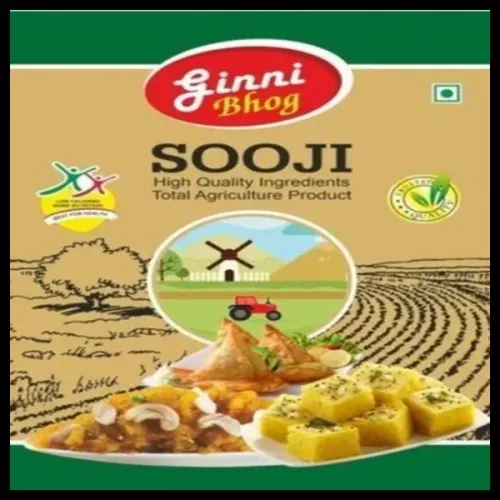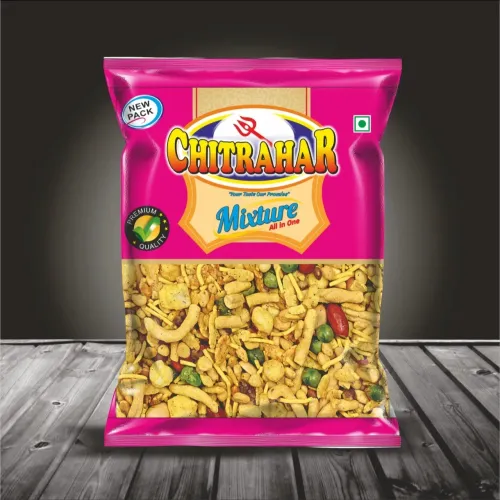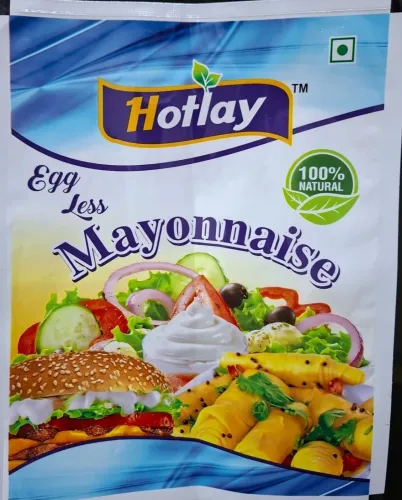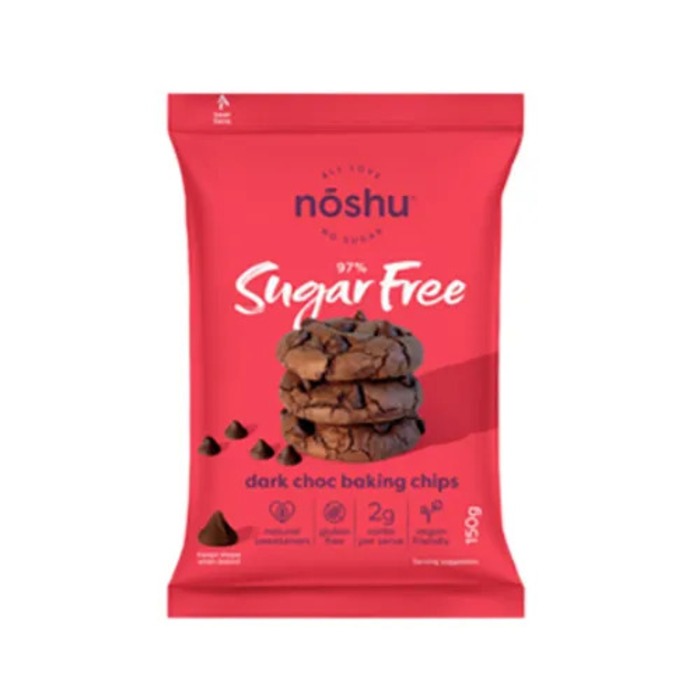
Printed Packaging Pouches have become an important part of modern product presentation. Walk through a retail market in Lucknow and it becomes obvious how quickly packaging competes for attention. Before customers read detailed information, they notice the colours, graphics, product name, and overall appearance of the package. For a manufacturer, that first impression matters. But packaging cannot succeed on appearance alone. A pouch also needs to protect the product, seal properly, remain easy to handle, and withstand transportation from the manufacturing facility to the final point of sale.
The material structure behind the printing is equally important. A food manufacturer may require protection against moisture, oxygen, aroma loss, or physical handling, depending on the product. The printing needs to work with that structure while maintaining clear graphics and readable information. For procurement teams, this means looking beyond the design sample. A pouch may look impressive when presented as a finished sample, but its real performance becomes apparent during filling, sealing, storage, transportation, and retail handling. That is where consistency becomes valuable.
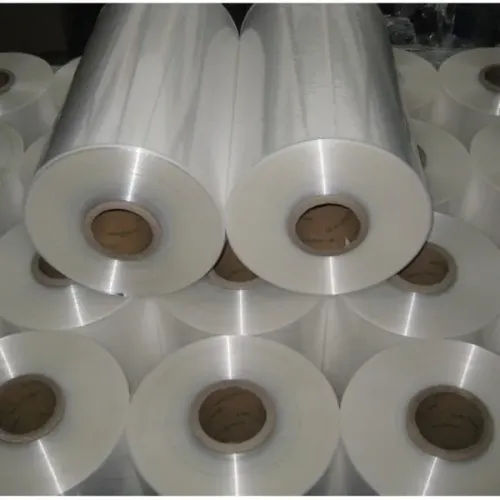
For manufacturers using automated packaging equipment, Laminated Packaging Rolls can provide an alternative to pre-made pouches. The roll moves through the packaging machine, where the package is formed, filled, sealed, and cut. This process places specific demands on the material. Roll dimensions, thickness, winding quality, print registration, and sealing behaviour all need to remain consistent. A Flexible Packaging Manufacturer therefore needs to understand the relationship between the packaging material and the production system. It is not simply a matter of supplying a roll or pouch. The material needs to fit the application.
There is also growing interest in Transparent Packaging Rolls, particularly where seeing the product can influence purchasing decisions. For certain food products, transparency allows customers to see the colour, texture, or quantity of the contents. At the same time, transparent packaging is not suitable for every product, especially where stronger protection from light is required. This is why Food Packaging Solutions should be developed around actual product requirements rather than general trends. For businesses in Lucknow, Chirag Enterprises can be considered when evaluating flexible packaging options. Starting with the product, production equipment, storage conditions, and distribution requirements can lead to a packaging solution that looks good and performs reliably.